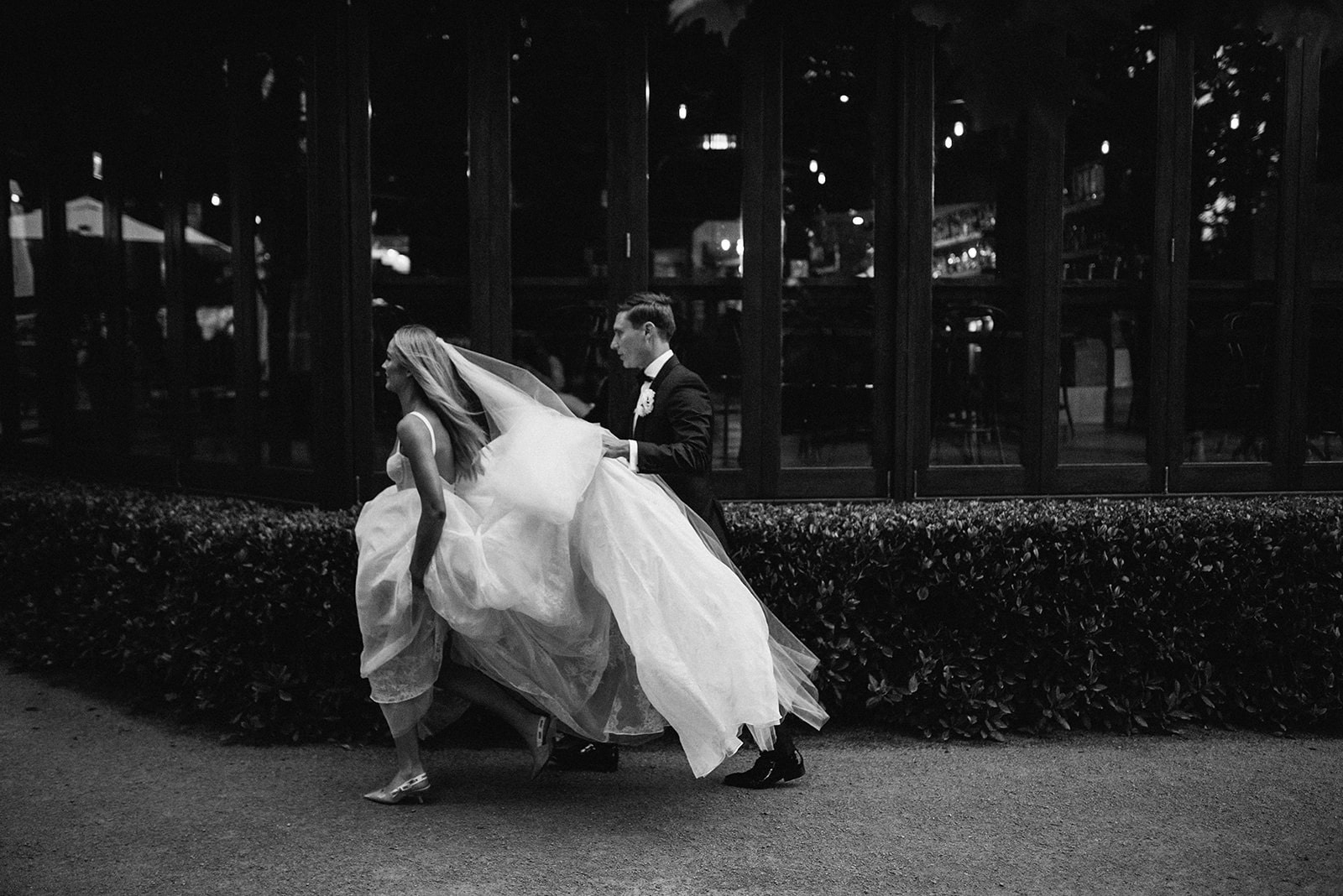
How Much Should You Pay for a Wedding Photographer in 2027?
You’re planning your day, and it’s time to sort out one of the decisions you’ll live with longest – who photographs it. The flowers get composted and the cake gets eaten, but the photos are what’s left in thirty years.
Then you start researching, and the prices are all over the place. Someone’s cousin will do it for $800. A photographer you found on Instagram quotes $12,000. Most sit somewhere in between, and nobody explains what the difference actually buys you.
This guide does. I’ve photographed 750+ weddings across Australia over 16 years, and below is the honest version of how the market works in 2027 – including where I sit in it, so you can weigh my bias for yourself.
A note on the numbers: everything below is in Australian dollars and reflects the Sydney and NSW market. Regional areas often run 10–20% below these brackets; in-demand photographers in any market run above them.
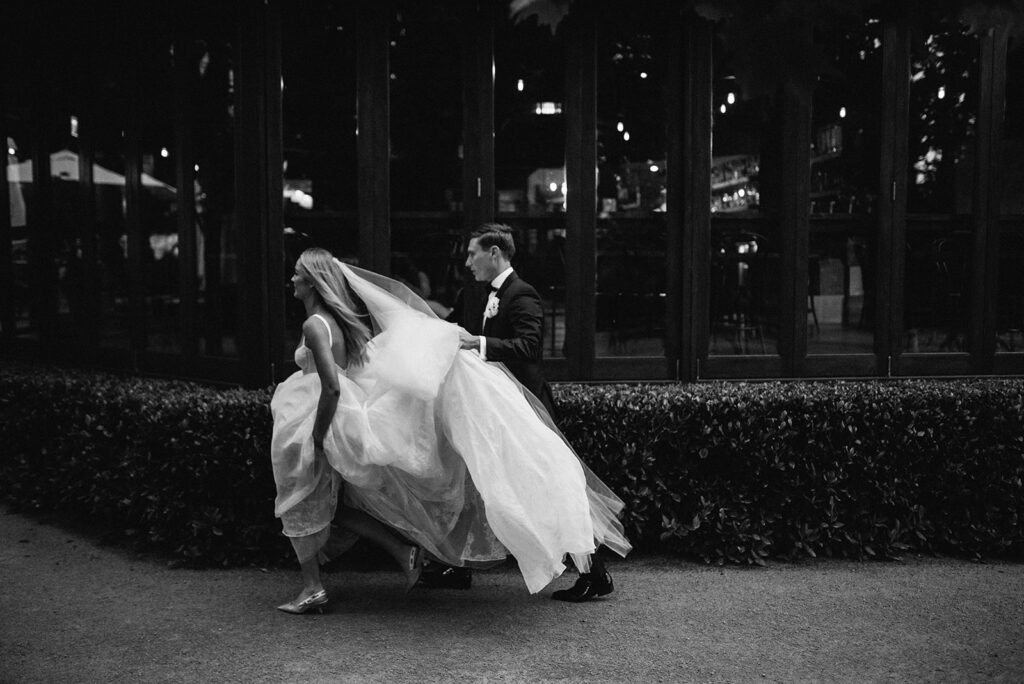
Start With What You Actually Want
Before any budget number means anything, answer these:
How much coverage and what deliverables? A full day versus ceremony-and-portraits, albums, engagement shoots — these all move the price.
How much do the photos matter to you? For some couples they’re the top priority; for others they’re a box to tick. Both are legitimate — but they lead to very different spending.
What style do you love? Posed and polished, or natural and candid? Look at full galleries, not just Instagram highlights, and notice which ones make you feel something.
How do you feel in front of a camera? If the answer is “we dread it,” the photographer’s ability to put you at ease matters more than any other factor — and that skill correlates strongly with experience.
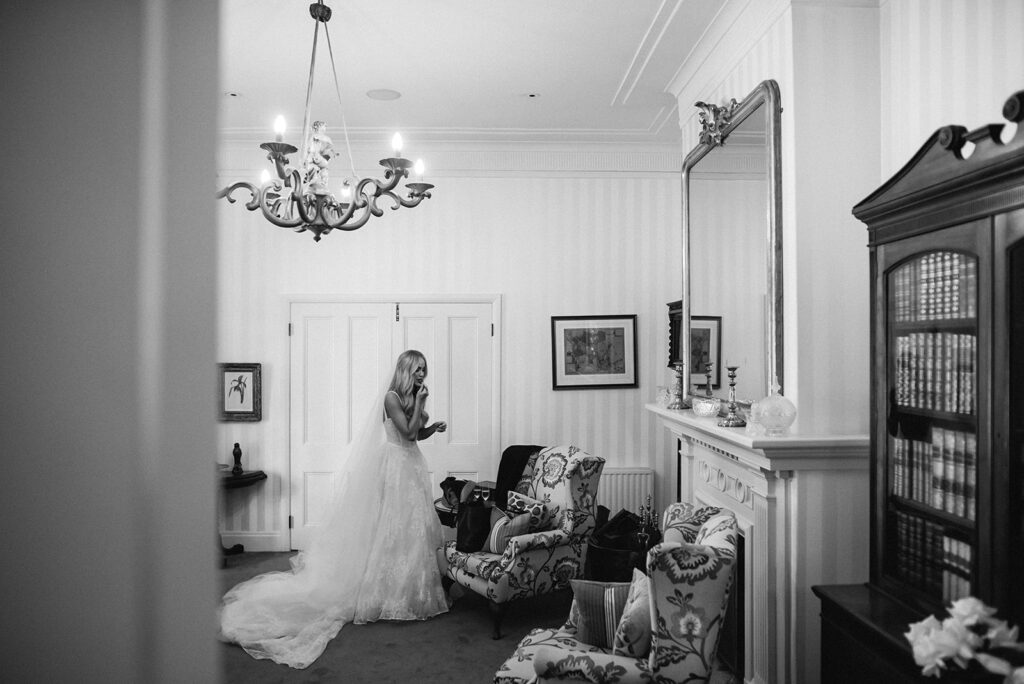
The Five Kinds of Wedding Photographer (and What They Cost in 2027)
Friend or amateur with a camera — free to $1,500 Tempting, and occasionally it works out. But weddings are the hardest thing you can photograph: mixed lighting, no second takes, high emotion, relentless pace. An amateur doesn’t know what’s about to happen next, and that’s most of the job. It’s also a lot of pressure to put on a friend — and they don’t really get to be at your wedding. If photos genuinely aren’t a priority for you, this is a valid choice made with open eyes. Just make it deliberately, not by default.
Fashion or commercial photographer — $2,000 – $4,000 Genuinely skilled professionals from adjacent worlds. You’ll likely get beautiful, editorial portraits — and missed moments everywhere else, because commercial work trains you to control a scene, and weddings punish anyone who tries. Great option if styled portraits are your main goal.
Studio photographer — $2,000 – $5,000 Wedding studios offer packages and reliability, and for some couples that’s exactly right. The trade-off: you often don’t know which photographer you’ll get, and the one whose portfolio sold you may not be the one who shows up. If you go this route, get the shooter’s name in the contract.
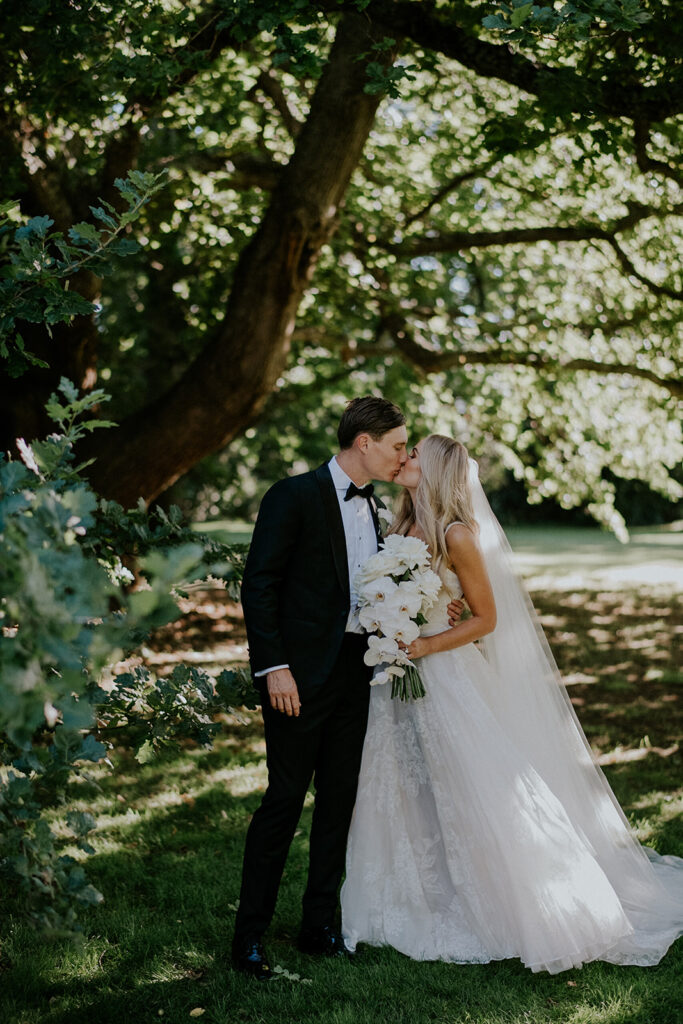
Experienced independent wedding photographer — $5,000 – $8,500 Photographers who’ve made weddings their entire career, usually 10+ years and hundreds of days behind them. At this level you’re paying for judgement: knowing where the moment will happen before it does, handling a collapsing timeline or a storm without anyone noticing, and — most underrated — making camera-shy people forget the camera exists. This bracket is where the price-to-outcome curve is steepest.
Luxury / destination wedding photographer — $9,000+ Premium, fully bespoke, often travelling internationally, frequently booked 18+ months out. The work is superb. The honest question is whether the difference between this tier and the one above will be visible in your album, or whether you’re paying for scarcity and brand. For some weddings it’s absolutely worth it; for many it’s more than the day needs..
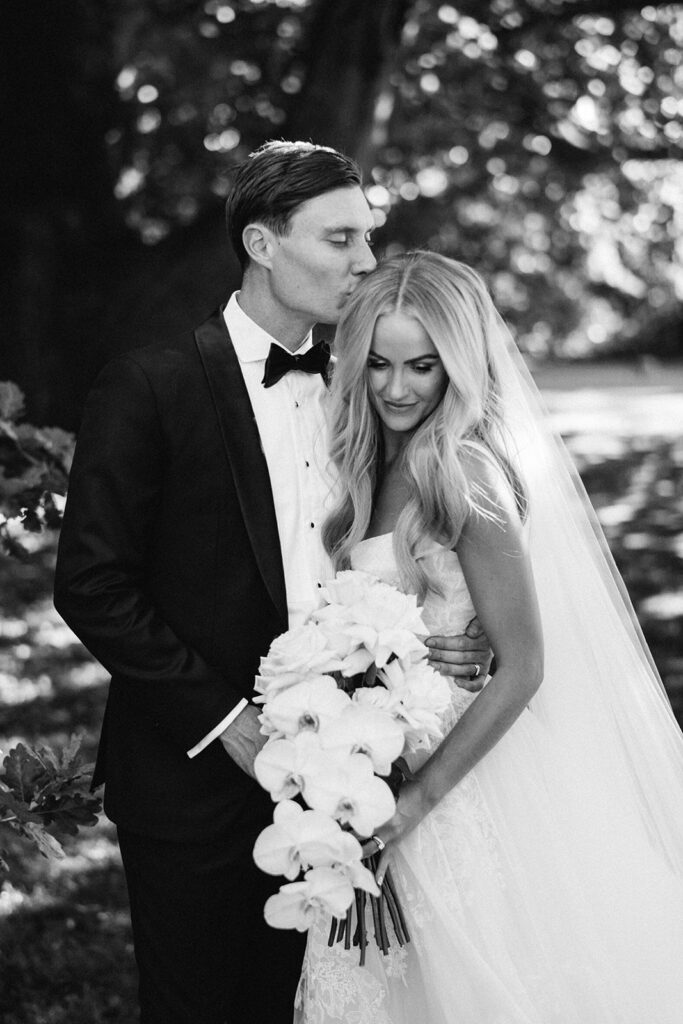
Where I Sit (So You Can Discount My Bias)
For transparency: I’m in the experienced-independent bracket. That’s not neutral information in a pricing guide, so weigh it accordingly.
What I’d say in my defence is that the bracket description above isn’t marketing — it’s the job. Most of my couples tell me some version of the same thing: they were dreading being photographed, and then they weren’t. That’s the skill this tier buys, and it’s why I’ve stayed an independent photographer rather than scaling into a studio. You can read about how I work here, and every price is in my investment guide — just ask.
If your budget puts you in a different bracket, the rest of this guide is still written to get you the best possible outcome there. Every tier has excellent operators; the goal is knowing what you’re buying.
Quick Answers
Usually yes in Australia – quoted prices must generally include GST – but confirm it’s stated on the quote, along with travel, second shooter, and album costs. “Hidden extras” are the most common pricing complaint in this industry.
Popular photographers book 12–18 months ahead, and Saturday dates in peak season (October–November, March–April) go first. If your date is set, enquire early – it costs nothing to check.
Not automatically – but photography is the classic “you get what you pay for” category because there are no do-overs. The regret stories are almost never “we spent too much.”
A common guide is around 10–12% of total wedding spend, but it should flex with your priorities. Couples who rank photos first often go 15%+; couples who don’t can trim it guilt-free.
The Bottom Line for 2027
In Australia in 2027, wedding photography runs from around $1,500 at the amateur end to $9,000+ for luxury and destination specialists, with experienced professionals mostly sitting between $5,000 and $8,500.
The right number for you isn’t the market average — it’s where your priorities meet your budget, chosen with a clear picture of what each bracket really delivers. Work that out first, and the decision gets much easier.
Request my investment guide · Sydney Wedding Venue Guide · Regional NSW Venue Guide