
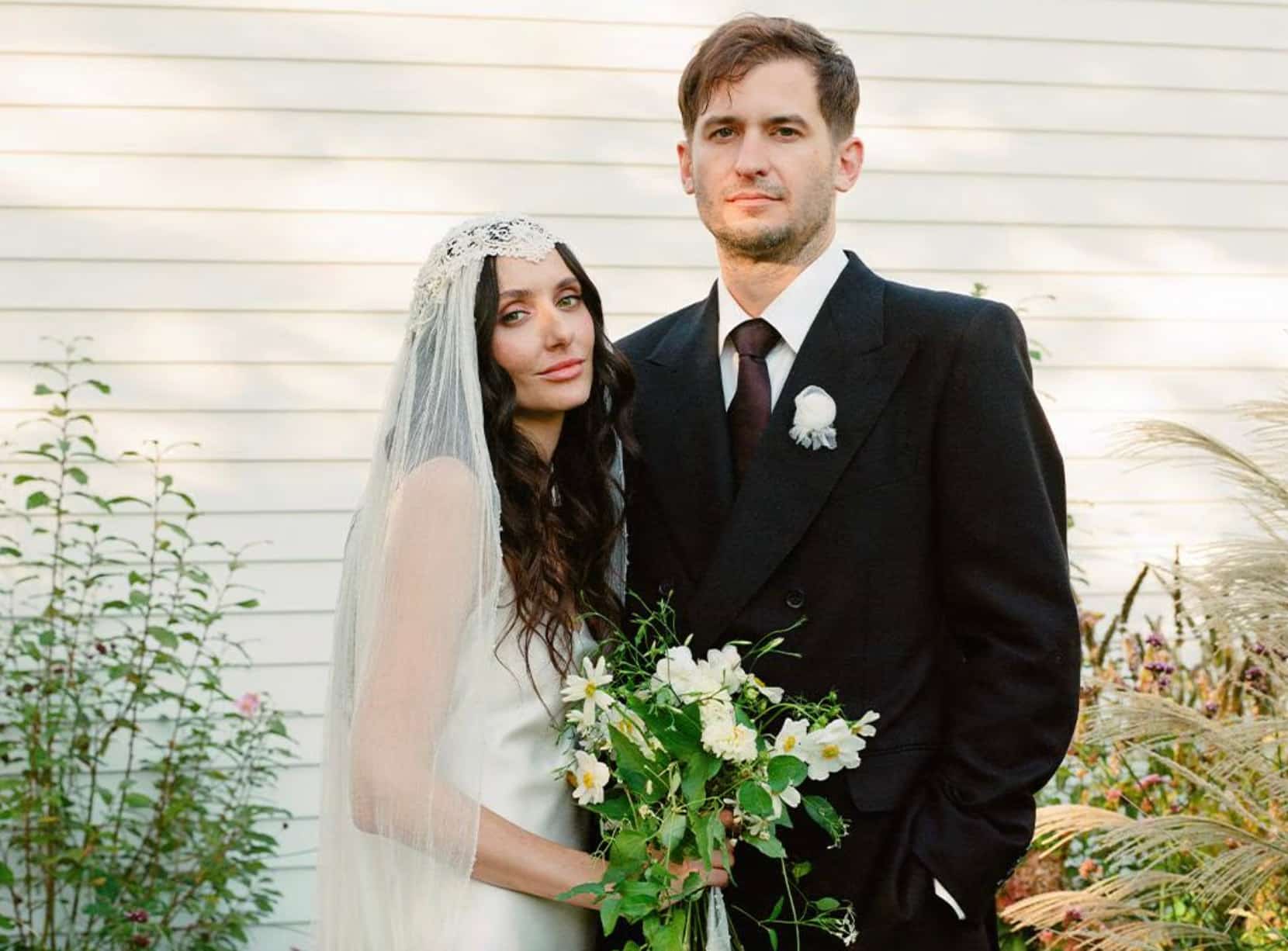
Your wedding photos look incredible. So why do you look so unhappy?
I’ve shot over 700 weddings. The photos that matter are never the ones where everyone was told to smile.
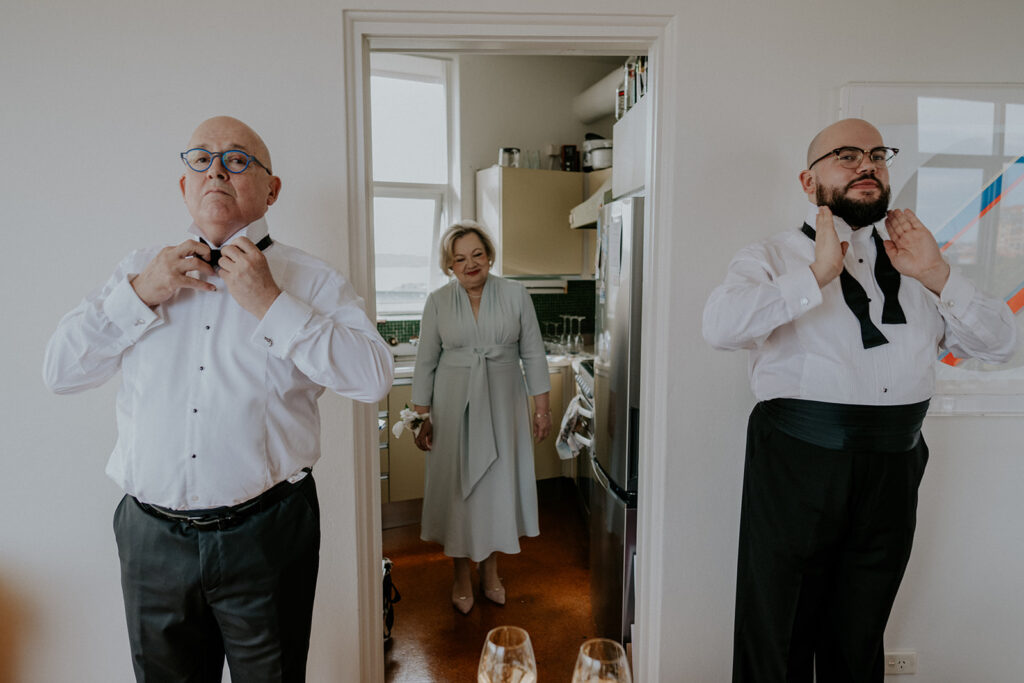
I arrived at a groom’s place recently and the energy was flat. Quiet. His three groomsmen weren’t saying much. Neither was he. Nice enough guy, just… not giving a lot.
I’ll be honest with you. I love an emotional groom. Someone who leans all the way into the day. And standing in that kitchen that morning, I thought I wasn’t going to get that.
I was completely wrong.
By the end of the night he had me. His vows were heartfelt. His speech was sincere. The bride’s family adored him. And when the first dance started, something in him gave way. His face scrunched up. Tears. The bride put both hands on either side of his face and they just locked into each other. Completely alone in a room full of people.
No one told them to do that. No one positioned them. It just happened. And it was one of the most beautiful things I’ve seen in sixteen years of doing this.
That moment is exactly why the posed wedding photo is dying. And honestly, I couldn’t be happier about it.
The editorial wedding and where it goes wrong
There’s a trend that’s taken over wedding photography in recent years. You’ve probably seen it on Instagram. Everything is carefully considered. Every detail is art-directed. The couple is placed just so, the light is perfect, the composition looks like it belongs in a magazine.
It’s called editorial-style wedding photography. And when it’s done well, some of it is genuinely beautiful.
But here’s what I’ve noticed. Scroll through enough of it and something starts to feel off. The images are technically stunning and emotionally empty. The couples look polished. Composed. Occasionally, if I’m being honest, a little miserable. Like they’ve been standing in that spot for forty-five minutes — because they probably have.
I saw a post recently from another photographer. “Moments from weddings lately,” the caption said. Every single image was staged. Directed. Carefully constructed to look effortless. Not one of them resembled anything I’d call a moment. They were setups. Beautiful setups, but setups all the same.
And that’s fine — if that’s what you’re after. But I’d gently push back on calling them moments, because moments aren’t made. They happen.
“The best photos from your wedding will be the ones you didn’t know were being taken.”
What couples actually want now
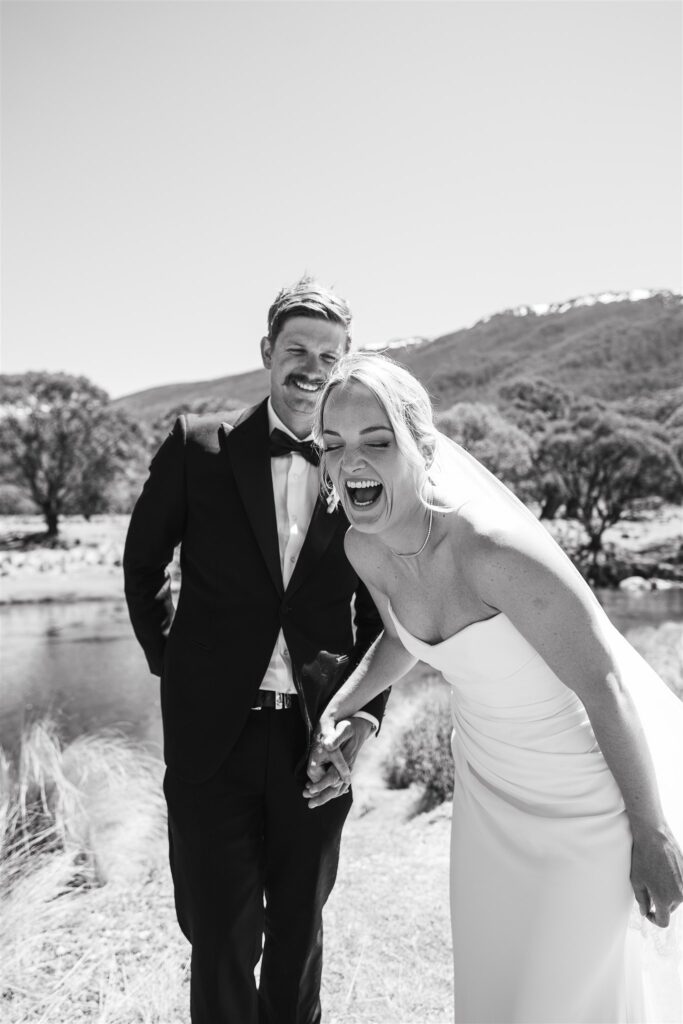
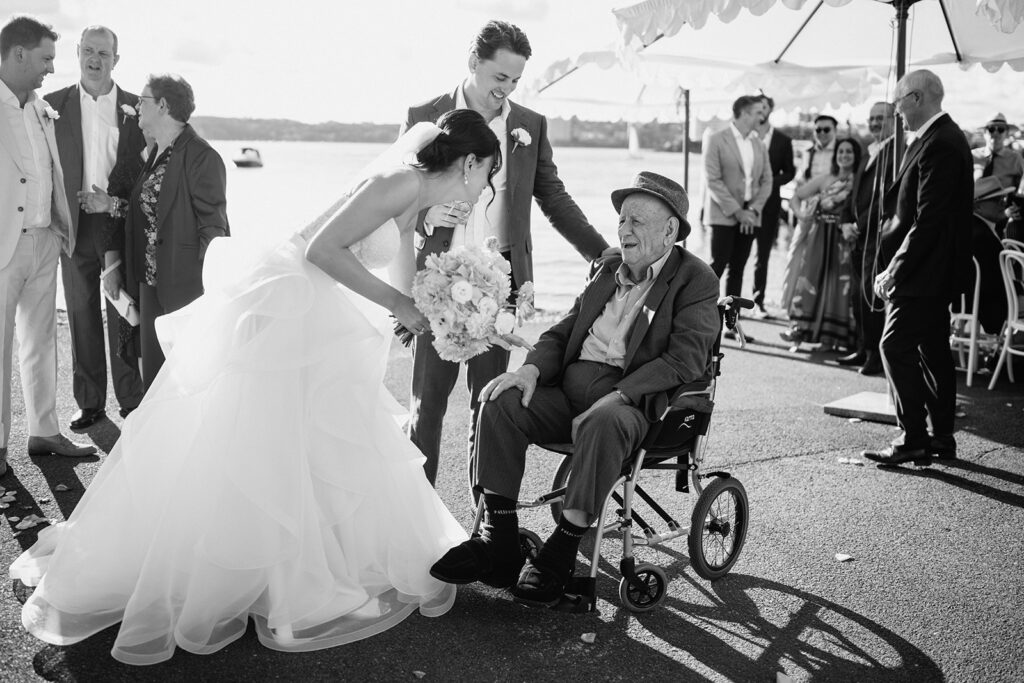
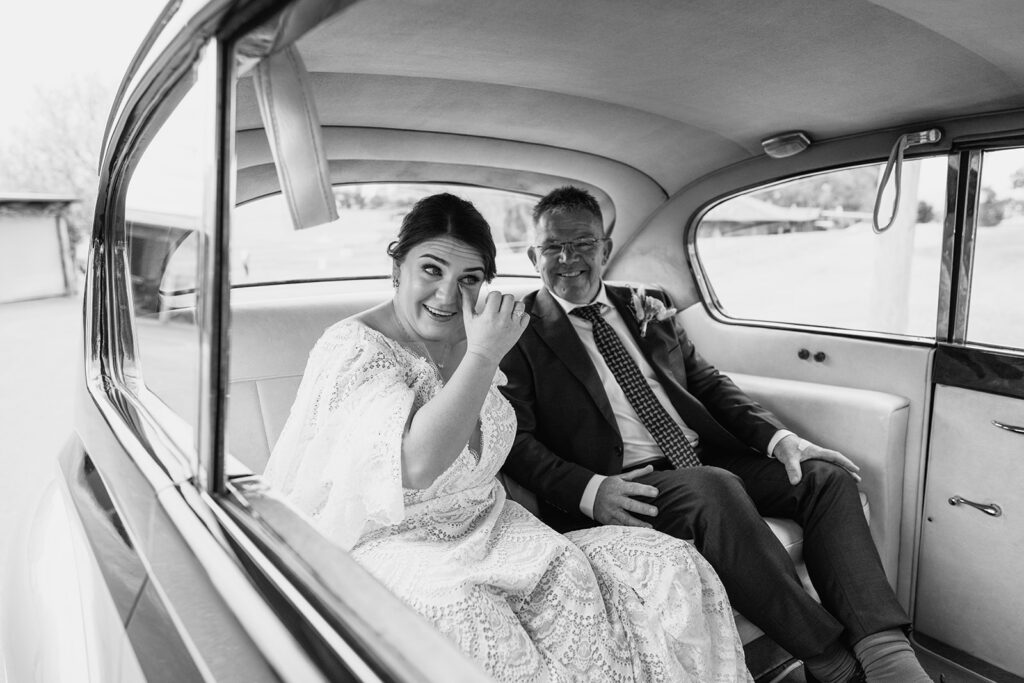
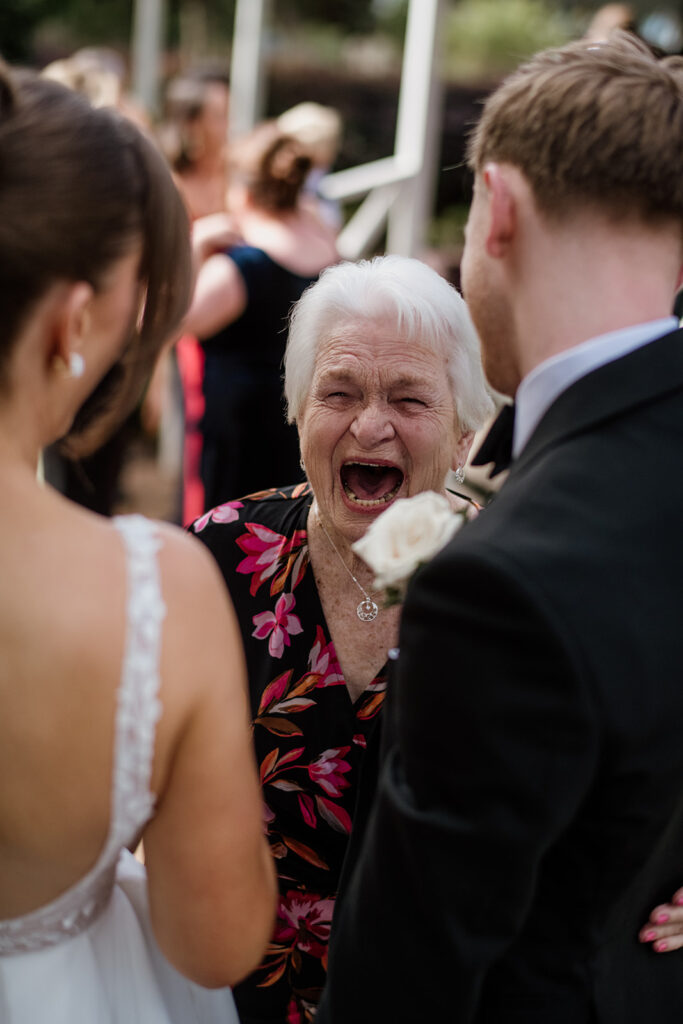
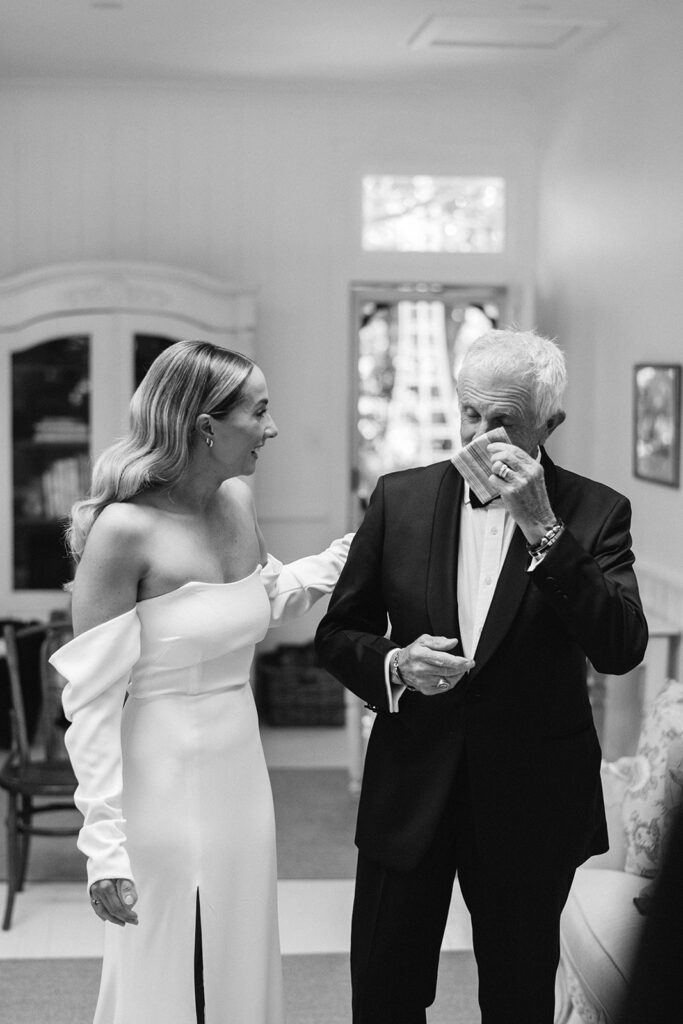
Couples coming to me today are not asking for editorial shoots. They’re showing me Pinterest boards full of candid moments. Tears. Laughter. Dancing. Someone’s dad losing it during the speeches. Two people sneaking off for five minutes on their own.
They want to be witnessed, not directed.
That’s a different job entirely. Instead of setting up shots, you’re reading the room. You’re watching where things are building, being in the right place before anything happens, and staying invisible enough that people forget you’re there. When it works, the photos feel less like a shoot and more like a memory.
I’ve had couples tell me it’s the first time they’ve seen photos of themselves that actually look like them. That says everything.
Does that mean no editorial shots at all?
No. And I want to be straight about that.
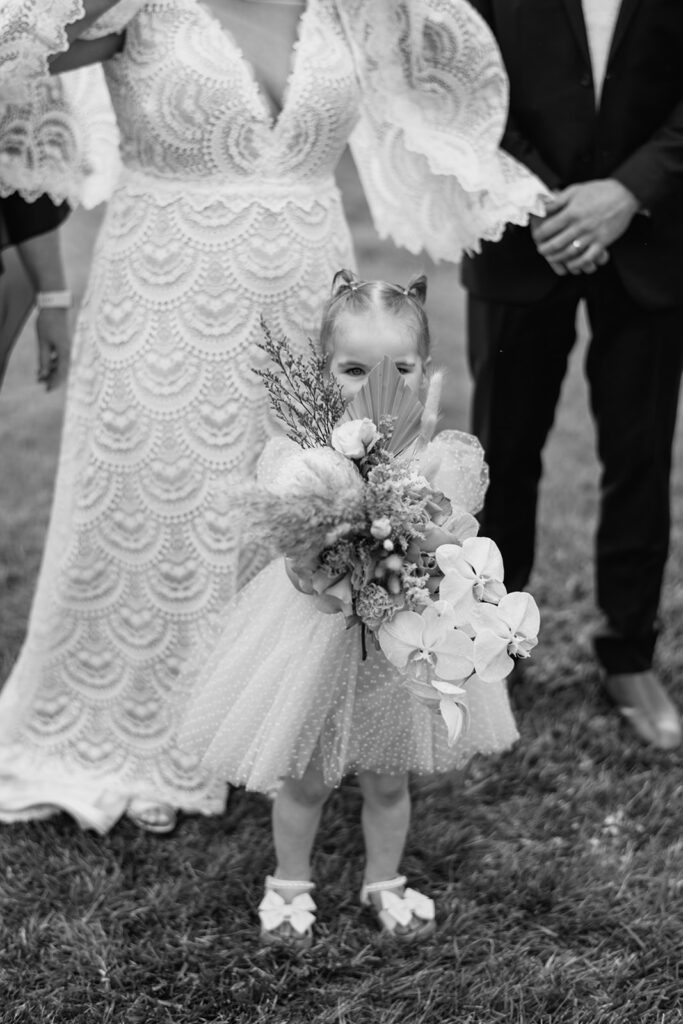
There is absolutely a place for considered, intentional portraits on your wedding day. A few images of just the two of you, in beautiful light, with some gentle direction — those can sit right alongside your candids and look incredible. Family formals matter too. Your grandmother wants a photo, and she deserves one.
The issue isn’t editorial photography existing. It’s when it takes over the whole day. When the couple spends two hours being moved around like props and the photographer misses the groom tearing up during the vows because they were busy setting up the next shot. When you get home and flip through your gallery and everything looks considered and nothing looks real.
The photos you’ll keep coming back to won’t be the ones where you looked the most polished. They’ll be the ones where you felt something. The ones that put you straight back in the room.
How to tell if a photographer actually shoots this way
A lot of photographers will tell you they shoot documentary style. It’s become a bit of a buzzword. The way to test it is simple: ask to see a full wedding gallery, not a highlights reel.
A highlights reel is thirty images handpicked from three hundred. It will always look good. A full gallery shows you what a photographer actually does when the light is average and the moment is quiet and nobody’s doing anything particularly photogenic. That’s where you find out if they can really shoot.
Also worth asking: how do you work with people who are uncomfortable in front of a camera? Because that’s most people. Making a confident, photogenic couple look great isn’t hard. Making someone who hates being photographed feel so relaxed they forget you’re there — that’s the real skill.
Back to that groom
The photos from his getting ready that morning are quiet. Nothing much happening. But by the end of that night I had some of my favourite frames from the whole year.
His face scrunching up on the dancefloor. Her hands on his face. The two of them in their own world.
Nobody posed that. Nobody could have. You can’t direct someone into that moment. You can only be ready when it arrives.
That’s the job. And it’s the best job in the world.
Scott Surplice is a Sydney-based wedding photographer with 16 years of experience. He shoots documentary-style weddings for couples who want their day captured, not choreographed.
